What is ENIAC ?
Evolution Of Computers From ENIAC to AI. It was the world’s first general-purpose electronic digital computer and first finished in 1945. Though computers prior to it had some electronic elements and were programmable, ENIAC was the computer that brought all of that together, and it marked a major moment in the history of computing.
Here is an explanation of what that means and why it matters:

Electronic: The first use of electronic calculating machine was made by ENIAC compared to previous machines and this machine used 17,468 vacuum tubes instead of separate moving mechanical parts. This was astonishingly fast for the time, capable of executing calculations much faster than any prior machine.
Numeric Integrator: Used mainly for heavy number crunching.
Computer: It was a machine that was configured.
What is AI ?

AI is a general term for computer systems designed to complete tasks that would normally require human intelligence. AI’s key objective is to create smart computers that can reason, learn, solve problems, and understand languages. There are different types of AI, from narrow AI, which is designed for specific tasks, to the more advanced concept of general AI, which could think and reason like a human. AI is becoming a major part of our daily lives, helping businesses, improving healthcare, and changing how we interact with technology.
Evolution Of Computers
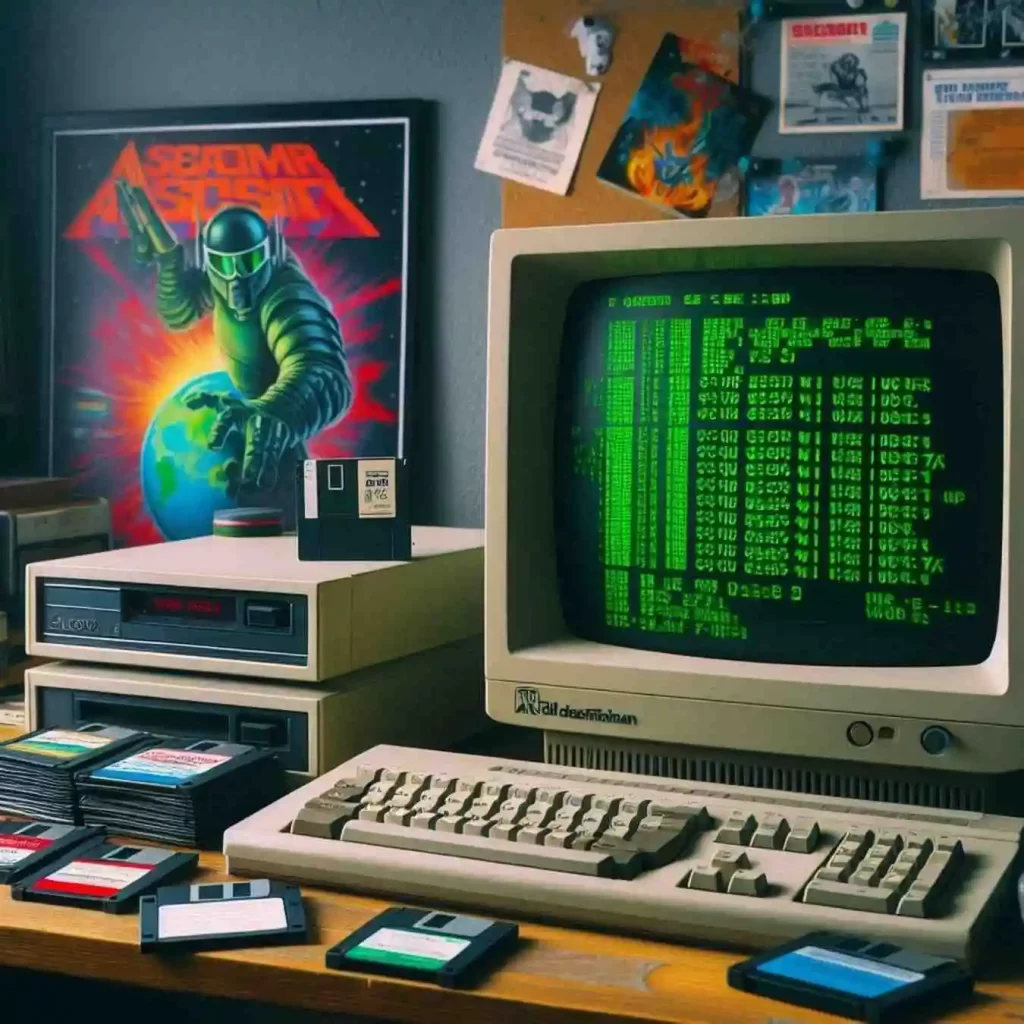
The journey from ENIAC to artificial intelligence (AI) of computers have been quite storied in the development of technology. The first generation computers began in the 1940s with the use of vacuum tubes and ENIAC, as they were hefty machines that did not have great capabilities and would only do basic calculations. They were power-hogging monsters.
The second generation of computers started with transistors in the 1950s and had the potential to be smaller, faster, and more reliable than the first generation. The third generation came in the 1960s and 1970s, which used integrated circuits with the introduction of the use of a microprocessor which allowed for processing power, could do computations faster, and also multitask. The fourth generation began in the 1970’s when microprocessors appeared and personal computers emerged along with the access to computers on a grander scale.
Now today in the fifth generation computers are empowered with artificial intelligence that allows for machines that can learn, reason and decide. These modern AI type of applications are everywhere, from Voice Assistants to Medical Diagnostics to self-driving cars. This new technology marks a period of development in which machines are now able to perform expertly some of the complex tasks and functions previously performed solely by humans.
Check Out Our Video
Faq’s
Q1. What was ENIAC and why is it important?
Q2. How did computers evolve after ENIAC?
1st Generation (1940s-1950s): Vacuum tubes (e.g., ENIAC)
2nd Generation (1950s-1960s): Transistors (faster, smaller, more reliable)
3rd Generation (1960s-1970s): Integrated Circuits (ICs)
4th Generation (1970s-present): Microprocessors and personal computers
5th Generation (present and beyond): AI-based and quantum computing
Q3. What role did the microprocessor play in computer evolution?
Q4. What is the significance of artificial intelligence (AI) in computing today?
Q5. How has storage evolved from ENIAC to today’s computers?
Later generations: Introduced magnetic tapes, disks, and eventually solid-state drives (SSDs), cloud storage, and ultra-fast NVMe drives.
Q6. What were some major breakthroughs in software?
Q7. How did networking and the internet impact computing?