Introduction
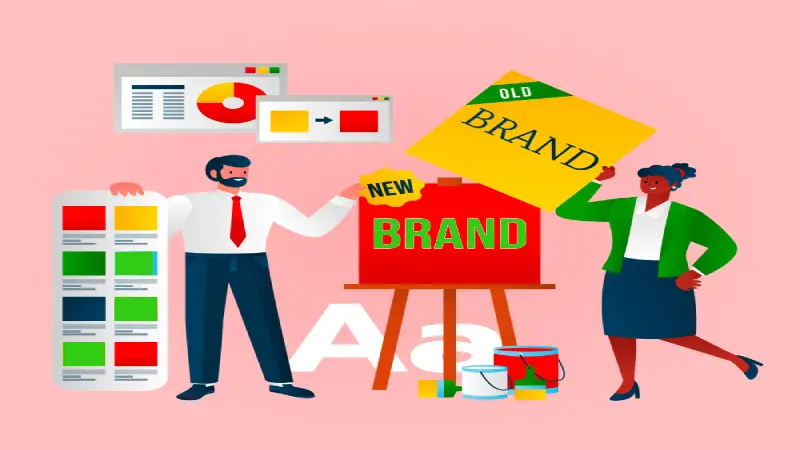
Design plays a vital role in shaping this identity—it’s often the first thing people notice, and it influences how they feel about a brand. Whether you’re starting a new business or refreshing an existing one, building a solid brand identity through design is a must.
Understand Your Brand’s Core

Before you create any visuals, it’s crucial to understand your brand from the inside out. Ask questions like: What is your mission? What values drive your business? Who is your target audience? What makes your brand unique? These answers form the foundation of your identity and help guide every design decision moving forward.
Start with a Strong Logo

Whether it’s a wordmark (text-based), a symbol, or a combination of both, a well-designed logo can communicate professionalism, trust, and purpose in just a glance. Avoid trends and aim for timeless design.
Choose the Right Colour Palette

conveys trust, red signals excitement, and green represents growth or health. Choose a primary colour and a few complementary ones to create a consistent colour palette. Use these across all branding materials for visual harmony and brand recognition.
Typography Matters
Fonts carry personality too. A modern, clean sans-serif font might say your brand is tech-forward or minimal, while a handwritten font could make it feel friendly or artisanal. Select one or two fonts for your brand—typically a heading and a body font—and use them consistently.
Design a Versatile Brand System

Beyond the logo, colour, and fonts, think about how your brand appears in various formats—social media, packaging, website, signage, and more. A strong identity adapts well to all formats while maintaining its core elements. Create brand guidelines that outline how your visual assets should be used to ensure consistency across all platforms.
Build Visual Consistency
Consistency builds familiarity and trust. Use the same colours, fonts, and logo treatments across all your touchpoints—business cards, social media graphics, email newsletters, and your website. When customers see your materials, they should instantly recognize them as part of your brand.
Incorporate Imagery and Graphics
A high-end fashion brand might use sleek, minimalist imagery, while a children’s brand may choose colourful, playful illustrations. Select or create visual elements that reinforce your message and strengthen the overall aesthetic.
Tell a Story Through Design

People connect with stories. Use design to help communicate your brand’s story—what it stands for, how it began, and why it matters. This could be done through visuals on your website, the tone of your graphics, or even the packaging of your product. A compelling story, told well through design, builds emotional engagement.
Adapt for Digital and Print

Your brand should be as strong on a mobile screen as it is on a billboard. Ensure your design assets are scalable and adaptable for different media. Your logo should look good in colour and black and white, and your visuals should be optimized for both print and digital use.
Gather Feedback and Evolve

Once you’ve established your brand identity, test how it resonates with your audience. Are people engaging with your content? Do they understand your message? A brand identity should evolve as your business grows—just be careful to refine rather than completely change it, to maintain recognition.
Work With Professionals When Needed

If you’re not confident in design, consider hiring a professional graphic designer or brand strategist. A well-developed brand identity is an investment that can pay off in brand loyalty and long-term growth. Professionals bring experience, objectivity, and creative skills that can elevate your vision to a new level.
Conclusion
It’s not just about looking good—it’s about expressing who you are, attracting the right audience, and creating lasting impressions. When done right, your brand identity becomes a powerful tool that helps your business grow and thrive in any market.