Introduction

Future of Computer applications have undergone tremendous transformation over the decades, evolving from simple data processing tools to complex systems that drive almost every industry. As we look to the future, the scope of computer applications is expanding rapidly, powered by emerging technologies such as artificial intelligence (AI), cloud computing, quantum computing. These technologies are not only enhancing the performance and capabilities of current applications but also creating entirely new possibilities for how we interact with technology in our daily lives and professional environments.
Artificial Intelligence
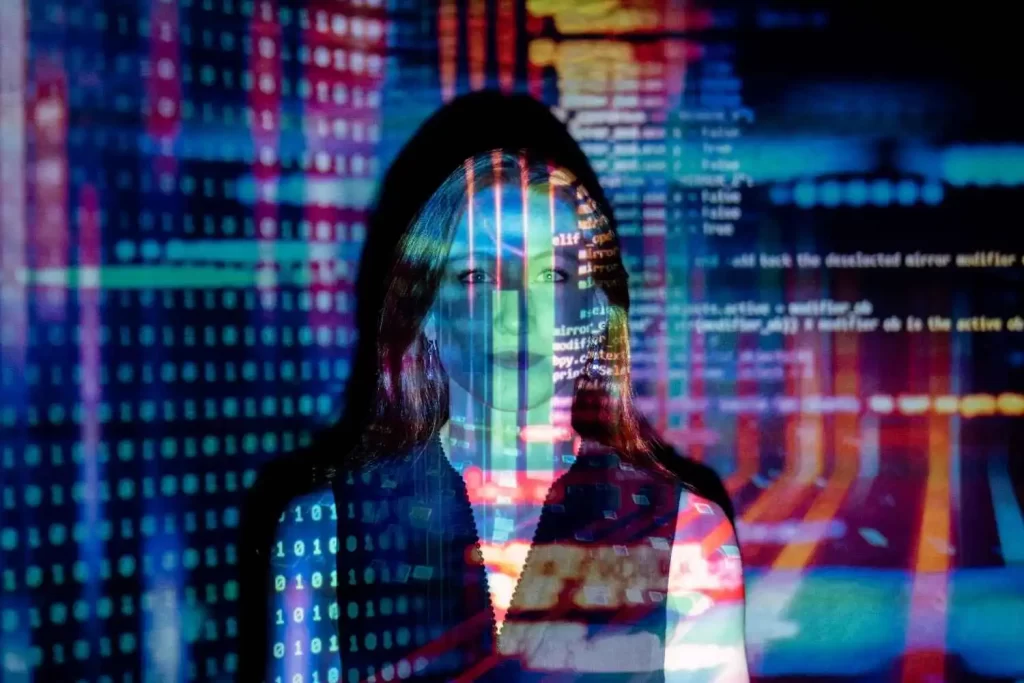
One of the most significant influences on the future of computer applications is artificial intelligence. From virtual assistants like Siri and Alexa to more advanced systems in healthcare and finance, AI-driven applications are automating complex tasks, offering deep insights through data analysis, and providing personalized user experiences. In the future, AI will become even more integrated, enabling applications to predict user needs, detect anomalies, and improve efficiency across various sectors.
Cloud Computing
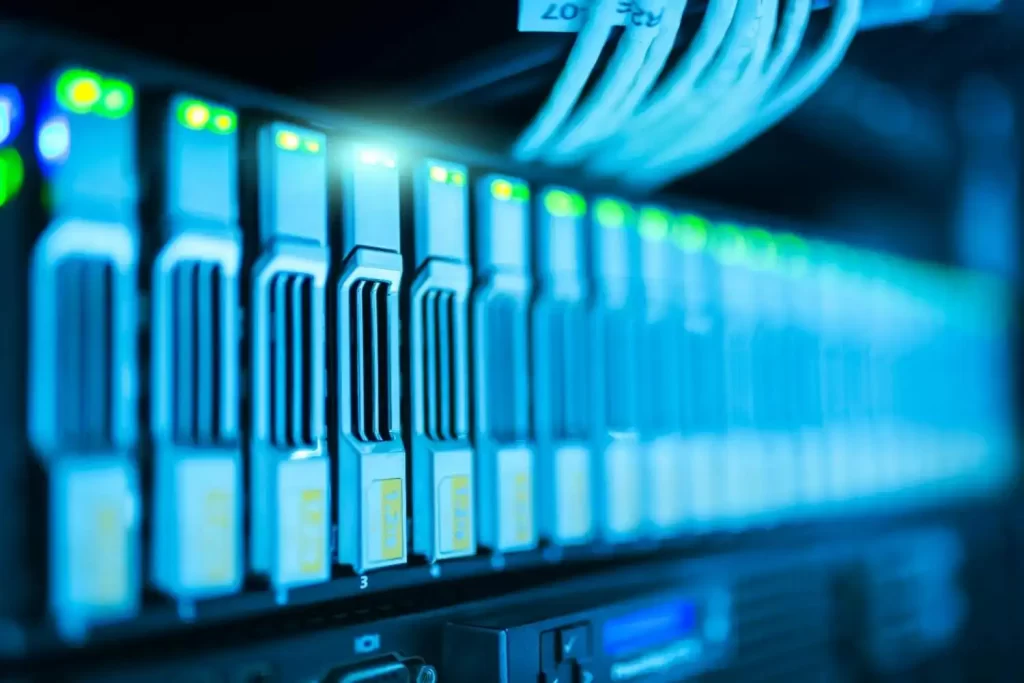
Cloud computing is another key driver shaping the future of computer applications. Cloud platforms allow users and businesses to store, manage, and access data remotely with minimal infrastructure. Future computer applications will increasingly be cloud-native, meaning they are designed to operate in cloud environments from the ground up. This will support seamless updates, better security, and improved accessibility, making applications more reliable and user-friendly.
Quantum Computing

This allows them to solve problems at speeds previously thought impossible. In the near future of computer applications, quantum applications could revolutionize areas like cryptography, drug discovery, and weather forecasting by handling computations that would take classical computers years to complete.
Internet of Things (IoT)
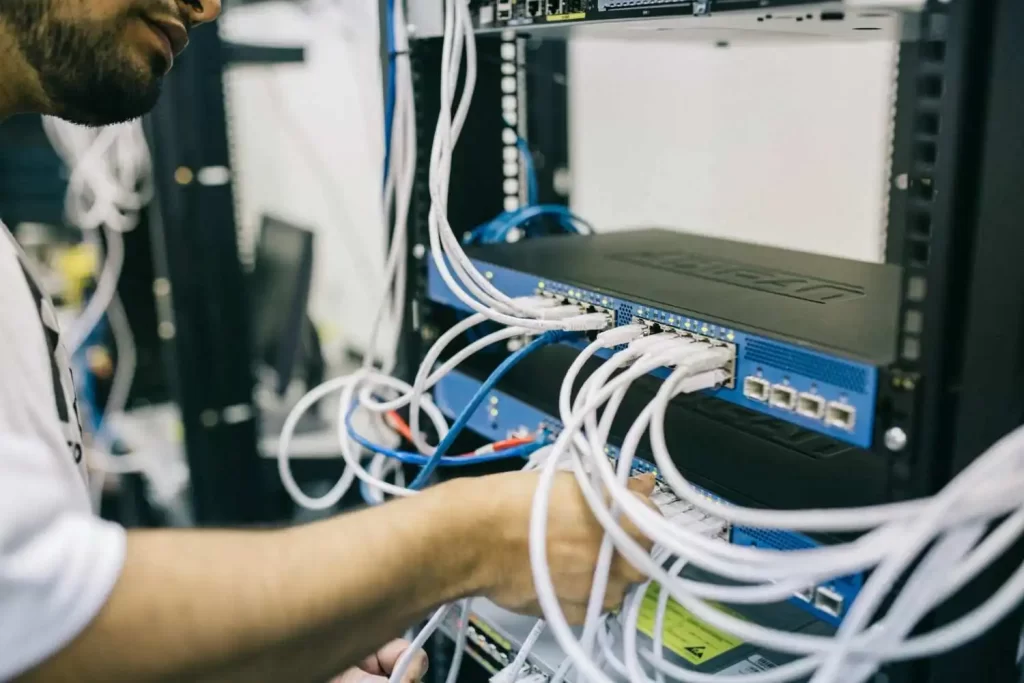
Internet of Things (IoT) is also set to reshape the landscape of computer applications. IoT connects everyday devices—like home appliances, vehicles, and wearables—to the internet, allowing them to send and receive data. Future applications will harness this constant data stream to optimize operations in real time. For example, smart cities will use IoT-enabled applications to manage traffic, energy consumption, and public safety, while industries will adopt smart systems for predictive maintenance and process automation.
Augmented Reality (AR) and Virtual Reality (VR)

Another area of exciting development is augmented reality (AR) and virtual reality (VR). These immersive technologies are already making waves in gaming and entertainment, but their future applications extend far beyond. In education, AR and VR can create interactive learning environments. In healthcare, they can simulate surgeries or assist in diagnostics. As these technologies become more accessible and affordable, their integration into everyday applications will significantly enhance user engagement and training effectiveness.
Blockchain Technology

Blockchain technology is also gaining traction as a foundation for secure and transparent applications. Initially popularized by cryptocurrencies, blockchain is now being explored for applications in supply chain management, digital identity verification, and secure voting systems. Its decentralized nature ensures data integrity and reduces the risk of tampering, making future applications more secure and trustworthy.
Interconnectivity and Interoperability
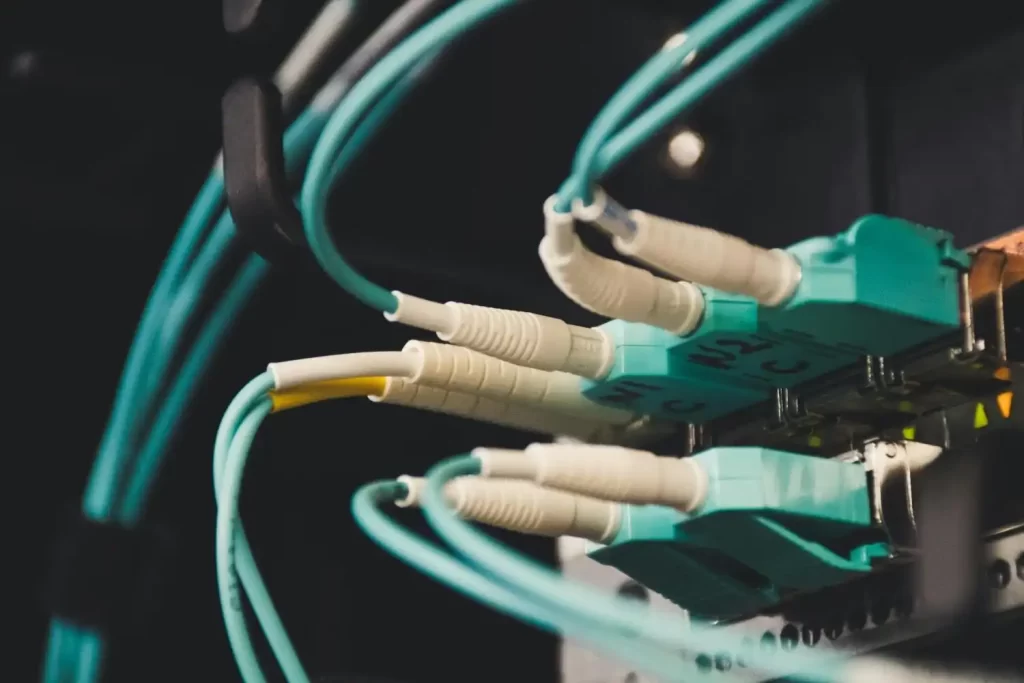
Moreover, future of computer applications will emphasize interconnectivity and interoperability. Users will expect applications to work seamlessly across various devices and platforms. This will require developers to adopt standardized protocols and open architectures. APIs (Application Programming Interfaces) and cross-platform development tools will play a vital role in creating cohesive user experiences.
Challenges
In Future of Computer Applications With these advancements come challenges such as data privacy, cybersecurity, and ethical concerns. As applications become more intelligent and interconnected, protecting user data and ensuring responsible AI use will be critical. Developers and policymakers must work together to create frameworks that prioritize user rights, data protection, and transparency.
Conclusion
The future of computer applications is incredibly dynamic and promising. Driven by cutting-edge technologies, these applications will continue to transform the way we live, work, and communicate. From smarter homes to autonomous vehicles and AI-powered diagnostics, the possibilities are vast. As we embrace this technological evolution, it is essential to ensure that innovations are inclusive, secure, and ethically sound. The coming years will not only witness faster, smarter, and more powerful applications but also a shift towards a more connected and intelligent digital ecosystem.
Check Out Our Video
Faq’s
Q1. What are computer applications?
Q2. How will artificial intelligence impact future applications?
Q3. Will traditional desktop applications become obsolete?
Q4. What role will cloud computing play in future applications?
Q5. How will cybersecurity evolve with future applications?
Q6. What skills will be important for developing future applications?
Q7. Will low-code or no-code platforms shape the future?